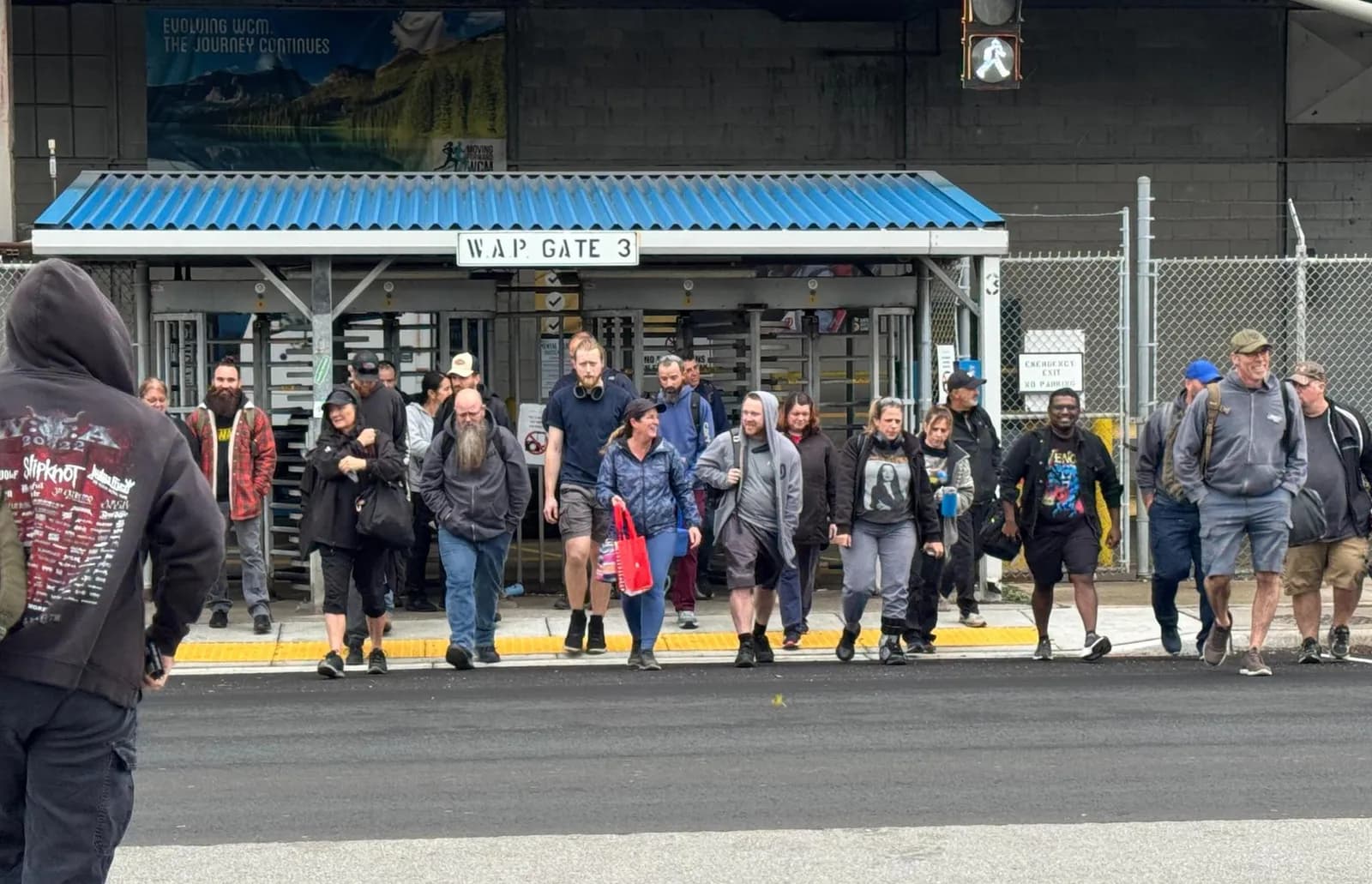
Stellantis is moving to permanently close the Brampton Assembly Plant in Ontario, eliminating 2,200 jobs and threatening thousands more in auto parts. But Brampton is only the leading edge of a broader assault on jobs in Canada and internationally. Unifor Local 444 President James Stewart said this month that Stellantis has given the union no clear information on how it plans to maintain the third shift at the Windsor Assembly Plant, restored only in February, or on the future of the Etobicoke Casting Plant. More than 1,000 jobs on Windsor’s third shift are at risk.
The threatened closure of Brampton is part of a global reorganization of the auto industry, which includes plans by the German-based VW Group to cut an estimated 90,000 jobs. Since the UAW signed the sellout contract in 2023, GM, Ford, Stellantis, and the auto parts manufacturers have cut thousands of jobs in the United States. The reopening of the idled Stellantis Belvidere plant—hailed as the centerpiece of Fain’s supposed “historic” contract—has been delayed another year, until at least June 2028.
The transnational corporations are using the trade war, the shift to electric vehicles, and the drive toward imperialist war as cover to slash jobs and swell profits. In response, the UAW in the United States and Unifor in Canada are lining up behind their respective governments, fighting over which country’s workers keep their jobs and which get thrown on the street. In the name of “saving” jobs, they are handing over even more concessions on wages, benefits, and conditions.
UAW President Shawn Fain has backed Trump’s tariffs, which have cost the average household in Michigan an extra $6,419 a year, according to the Michigan Smart Trade Alliance. In October 2025, Fain hailed the decision by Stellantis to shift production of the Jeep Compass from Brampton to Belvidere, saying it was a “major victory for UAW members” and proof that tariffs can “bring back thousands of good paying union jobs to the US.” Fain was silent on how this move would throw thousands of our brothers and sisters in Canada onto the unemployment lines.
This is not a defense of American workers. It is a declaration of war on Canadian workers. It divides us and plays into the hands of the executives, who want us fighting each other while they pocket the profits.
After Stellantis announced it was selling the Brampton plant to arms manufacturer Roshel, Unifor declared negotiations were at an impasse. But Unifor leaders did not set a strike date when the contract for 9,000 members expired on September 21. On the contrary, Unifor has responded to Trump’s trade war by calling for stronger Canadian counter-tariffs and assuring the companies that it will hand over even greater concessions if they remain in Canada.
There is no such thing as an “American” or “Canadian” car. Every vehicle is the product of the collective labor of workers in dozens of countries. We cannot succeed in any struggle if we allow ourselves to be divided.
What a real fight looks like
The assault on Brampton, Windsor, and Etobicoke can and must be stopped. But it will not be stopped by Unifor lobbying the Canadian government or bargaining with Stellantis over which plant gets the next product. Nor will it be stopped by the UAW apparatus, which opposes any joint action to defend Canadian autoworkers. The UAW bureaucrats are not concerned with the wages and conditions of UAW members, only with the continued flow of dues money, the protection of their fat salaries, and the union’s $1.1 billion in assets.
What is required is a strike—not a strike controlled by Unifor, which will isolate it, limit it, and sell it out at the first opportunity, but a strike organized by the workers themselves through rank-and-file committees that are independent of the union apparatus and accountable only to the workers on the shop floor.
And this strike cannot be confined to Brampton or to Canada. Stellantis’s operations in Canada, the United States, and Mexico are integrated. A strike at one plant alone can be absorbed. A strike that shuts down Stellantis operations across North America cannot. The workers at Brampton, Windsor, and Etobicoke must appeal directly to their brothers and sisters at Stellantis plants in the United States and Mexico—not through the nationalist UAW and Unifor bureaucracies, but through rank-and-file committees. The demand must be simple: no plant closures, no job cuts, anywhere. Defend every job. Unite across borders.
The great struggles that built the UAW were not fought on the basis of American or Canadian nationalism. In December 1936, workers at Kelsey Wheel in Windsor carried out Canada’s first recorded sit-down strike and formed UAW Local 195. Two months after the Flint sit-down strike forced GM to recognize the UAW in February 1937, 4,000 GM workers in Oshawa followed their example and struck for the same demand. In 1945, Ford workers in Windsor blockaded the streets around their plant with more than 1,500 cars to stop a police assault on their picket lines. The UAW was originally a cross-border union. It was the bureaucracy, in 1985, that split the Canadian section off into the Canadian Auto Workers, the forerunner of Unifor. It did so because the apparatus wanted to whipsaw jobs, wages, and conditions between the two countries. That split was a crime against the working class. The way to reverse it is to build organizations of workers that ignore the border entirely.
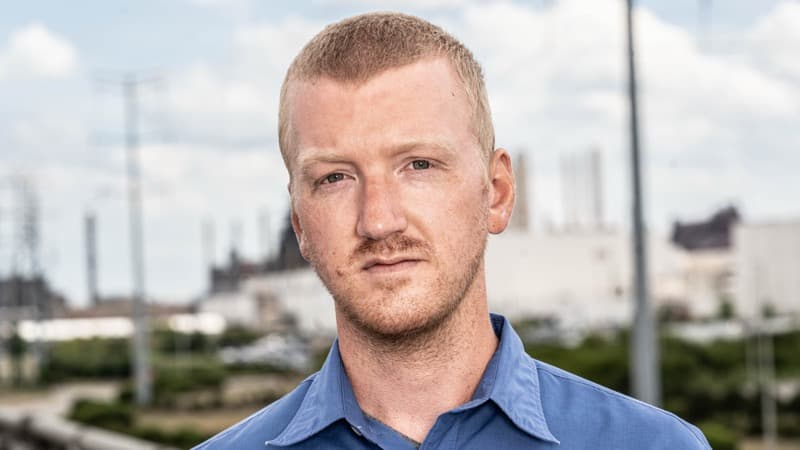
I am running for UAW president to abolish the UAW bureaucracy and transfer power to the workers on the shop floor through rank-and-file committees in every factory, university, and workplace. Workers must reject the nationalism promoted by Fain, Unifor, and every section of the union apparatus, and unite with workers in Canada, Mexico, Germany, and throughout the globe. The International Workers Alliance of Rank-and-File Committees is the framework for that unity.
To the workers at Stellantis Brampton, Windsor, and Etobicoke: do not wait for Unifor to act. It will not. Build rank-and-file committees. Demand a strike to stop the closures and defend every job. Appeal to workers at Stellantis plants in the United States and Mexico to join you. Your fight is our fight.
To the workers in Belvidere and throughout the United States: do not be fooled by Fain’s nationalism. If it happens at all, the transfer of production to your plant will be done on the basis of lower wages, speedup, and the destruction of conditions that Canadian workers fought for over generations. What is done to Canadian workers today will be done to American workers tomorrow.
The working class has no country. Our enemy is not the worker across the border. It is the corporations, the banks, the governments, and the union bureaucracies that serve them. We will fight them together.
